
A Homeowner’s Guide to Repairing or Restoring a Leather Sofa with Sagging Cushions in Austin, TX
In many homes, the sofa is more than just a piece of furniture — it is where daily life happens. For homeowners who have invested in a high-quality leather sofa, especially one made from aniline or full-grain leather, that piece often becomes the center of the living space. Over time, however, even the best leather furniture can begin to show signs of use. Cushions lose their support, leather appears dry or faded, and small areas of wear become more noticeable.
When this happens, homeowners are often faced with a difficult question: is it time to replace the sofa, or can it be professionally restored? In many cases, expert leather furniture repair in Austin, TX offers a practical, cost-effective, and far more sustainable alternative to buying new.
The Lasting Value of a Quality Leather Sofa
Well-made leather furniture is designed to last for decades. Older sofas, in particular, often feature solid hardwood frames, higher-density cushioning, and natural leathers that are difficult to find in many modern mass-produced pieces. From a structural standpoint, these sofas are frequently far superior to new options at similar price points.
There is also the value that cannot be measured in materials alone. A leather sofa often carries years of family history — conversations, gatherings, and everyday moments. Choosing professional restoration allows homeowners to preserve that history while restoring comfort, appearance, and function.
Sagging Cushions: The Most Common (and Most Fixable) Issue
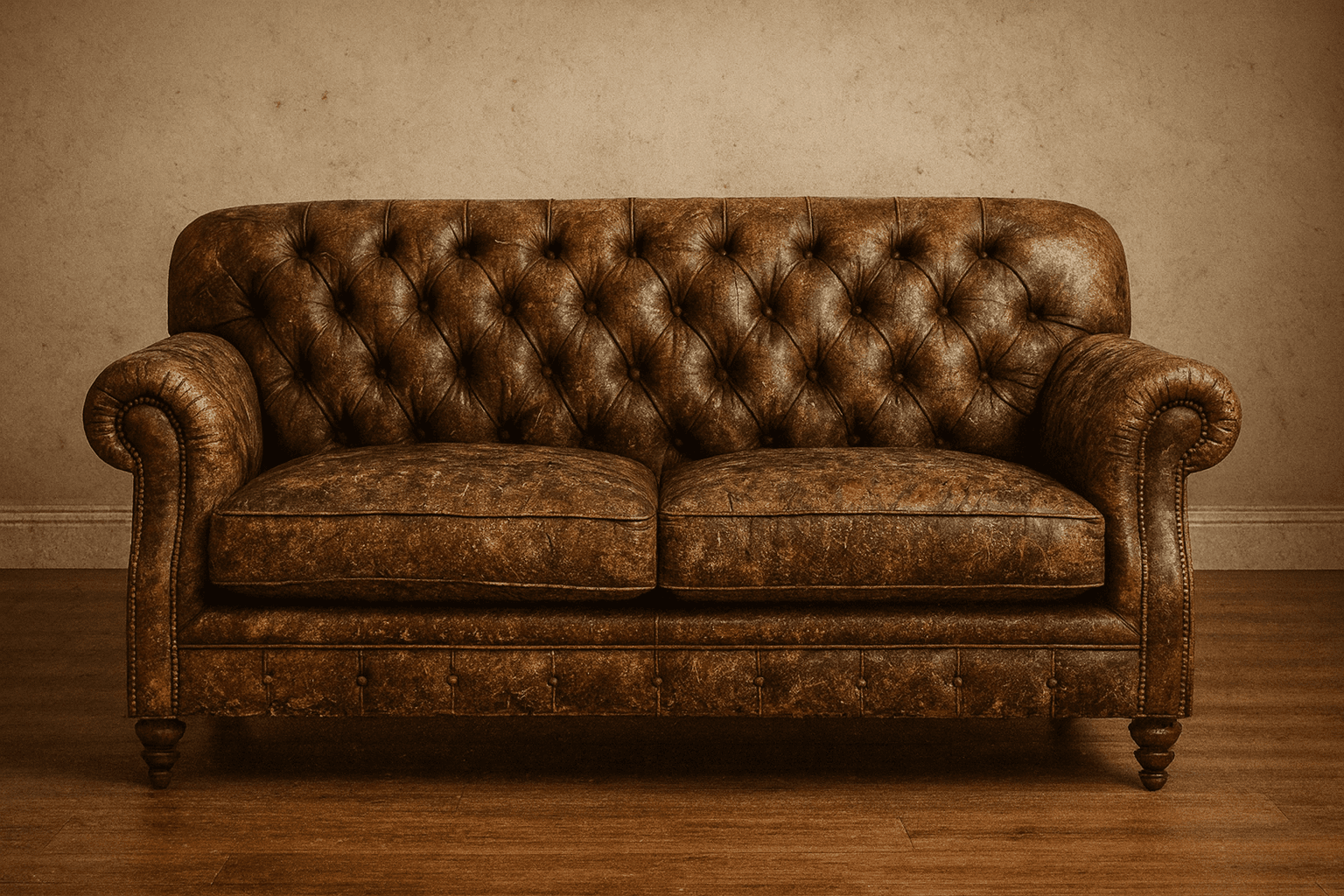
One of the most frequent concerns we see in Austin homes is sagging seat cushions. Over time, foam cores compress, fiber fills flatten, and internal support materials lose resilience. The result is a sofa that looks tired and feels uncomfortable, even if the leather itself remains in good condition.
Sagging cushions do not mean the sofa has reached the end of its life. In fact, cushion restuffing and reshaping is often one of the most effective ways to extend the lifespan of a leather sofa.
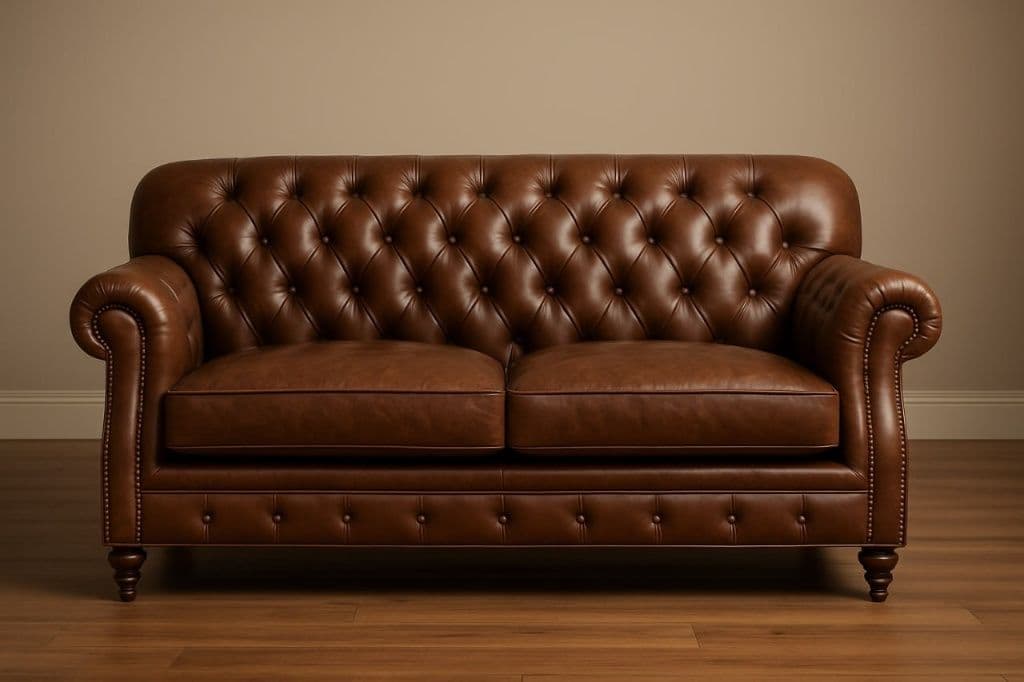
Professional restuffing involves more than adding material. The existing cushion cores are evaluated and replaced with properly sized, high-density foam or custom fill blends. Firmness can be adjusted to match the original feel or improved for better support. This process restores both comfort and appearance, often making the sofa feel nearly new again.
In many cases, addressing cushion support alone can postpone replacement for many years.
When Reupholstery Becomes the Right Solution
Sometimes wear extends beyond the cushions. Deep scratches, widespread fading from sun exposure, or a desire to change the overall look of the sofa may require a more comprehensive approach.
Leather reupholstery involves rebuilding the sofa using new padding and brand-new leather while preserving the original frame. This option allows homeowners to select premium leather types, colors, and finishes that better suit their current space. While reupholstery is a larger investment, it is often still more economical than purchasing a comparable high-quality leather sofa new.
For well-built furniture, reupholstery offers the opportunity to retain superior craftsmanship while completely refreshing the appearance.
Repair vs Replacement: A Practical Comparison
Buying a new leather sofa often appears simple, but true quality comes at a high cost. In addition to the purchase price, homeowners must consider delivery fees, disposal of old furniture, and the reality that many new sofas are not constructed to the same standard as older pieces.
Professional leather sofa repair or restoration typically costs a fraction of replacement while preserving comfort, familiarity, and craftsmanship. From a financial perspective, repair is frequently the more practical option — especially for premium leather furniture.
A Sustainable Choice for Austin Homes
Repairing leather furniture instead of replacing it also aligns with environmentally responsible living. Furniture waste is a growing issue, and restoring existing pieces reduces landfill impact while conserving the resources required to manufacture new furniture.
In Austin’s climate, where intense sun and dry indoor air can accelerate leather aging, proper restoration and ongoing maintenance significantly extend furniture lifespan. This approach benefits both homeowners and the environment.
When Professional Leather Repair Matters
Basic cleaning and conditioning are safe for routine maintenance. However, repairs involving color restoration, deep scratches, tears, or aniline leather require professional techniques and materials. Improper DIY repairs can permanently alter the texture and appearance of natural leathers.
As a leather repair craftsman working in Austin, I regularly see beautiful aniline sofas damaged by well-intentioned DIY attempts. Once the leather’s surface is compromised by incorrect fillers or coatings, proper restoration becomes far more difficult.
A professional assessment — often based on a few clear photos — can help determine the safest and most effective path forward.
Making the Right Decision for Your Sofa
Choosing between replacing a leather sofa and restoring it comes down to understanding its true value. In many cases, the structure, leather quality, and comfort potential already exist — they simply need expert attention.
Professional leather furniture repair in Austin, TX allows homeowners to preserve what they already own while restoring comfort, function, and appearance. When done correctly, restoration respects the original character of the furniture rather than replacing it.
If you are unsure whether your leather sofa with sagging cushions can be repaired, a professional evaluation is the safest first step. A clear assessment helps prevent unnecessary replacement and costly mistakes.